Scuba Diving Holiday in Egypt

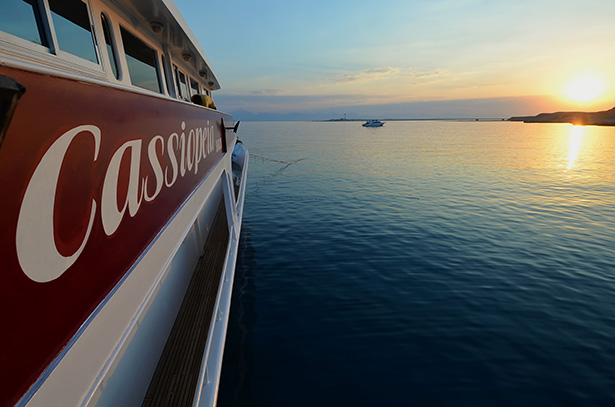
Egypt is rightly famous for its pharaohs, pyramids and last but not least, for its marine life, thanks to spectacular dive sites, great weather and warm waters. The most memorable experiences come from diving safaris onboard diving liveaboards when we travel for a week in luxury and visit untouched sites far from civilisation, the city noise and the office.
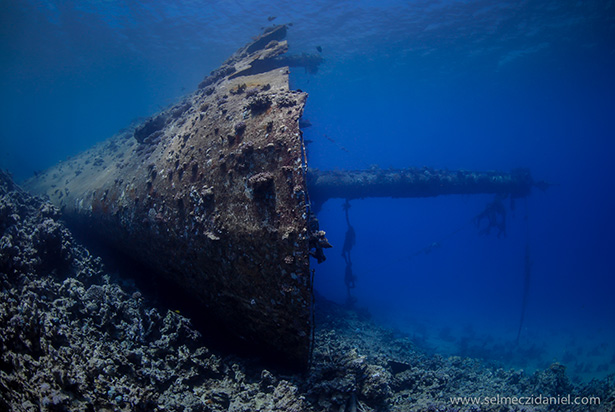
A Liveaboard holiday will ensure that divers reach some of the best wrecks and reefs in the world, including world famous dive sites such as the Brothers Island, Deadalus, Elphinstone and St. John’s, as well as historical wrecks, including Rosalie Müller, Salem Express and Thistlegorm.
The Red Sea lies between the continents of Asia and Africa. The Sinai Peninsula sits at its most northerly point and stretches over 1000 miles south to join the Indian Ocean, between Ethiopia and Yemen. The southern opening is only a narrow passage that connects the Red Sea to the Indian Ocean, making the Red Sea an almost isolated body of water with a high temperature and salinity.
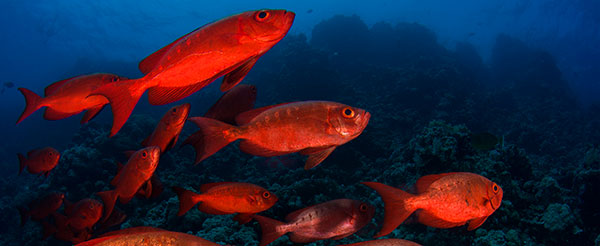
The Red Sea is home to over 1,000 invertebrate species, many of which can only be found here. More than 1100 species of fish have been identified as well as 200 soft and hard corals.
Whatever choice you make, you will not be disappointed. The Egypt’s Red Sea has so much to offer that you will feel you cannot get enough!
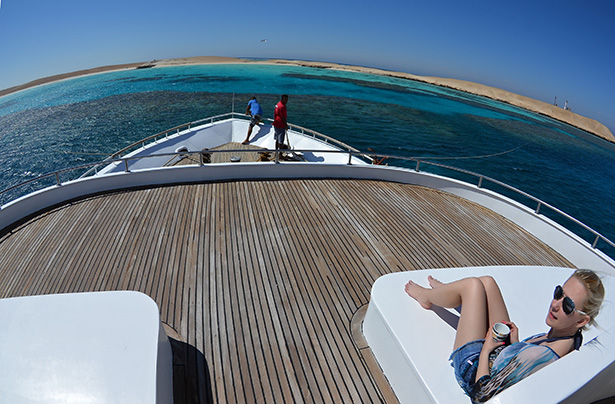
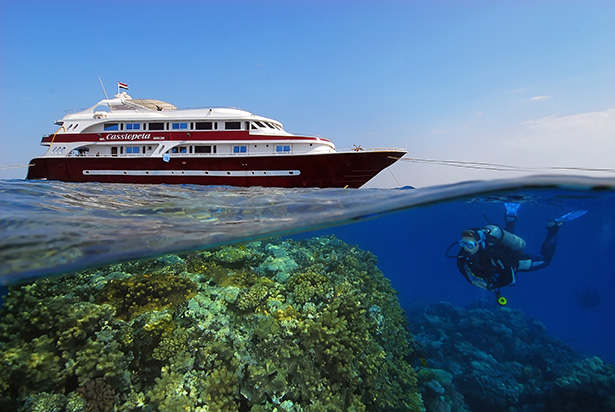
Egypt is rightly famous for its pharaohs, pyramids and last but not least, for its marine life, thanks to spectacular dive sites, great weather and warm waters. The most memorable experiences come from scuba diving safaris onboard diving liveaboards when we travel for a week in luxury and visit untouched sites far from civilisation, the city noise and the office.

A Red Sea Liveaboard holiday will ensure that divers reach some of the best wrecks and reefs in the world, including world famous dive sites such as the Brothers Island, Deadalus, Elphinstone and St. John’s, as well as historical wrecks, including Rosalie Müller, Salem Express and Thistlegorm.

Red Sea Diving Holiday in EgyptThe Red Sea lies between the continents of Asia and Africa. The Sinai Peninsula sits at its most northerly point and stretches over 1000 miles south to join the Indian Ocean, between Ethiopia and Yemen. The southern opening is only a narrow passage that connects the Red Sea to the Indian Ocean, making the Red Sea an almost isolated body of water with a high temperature and salinity.

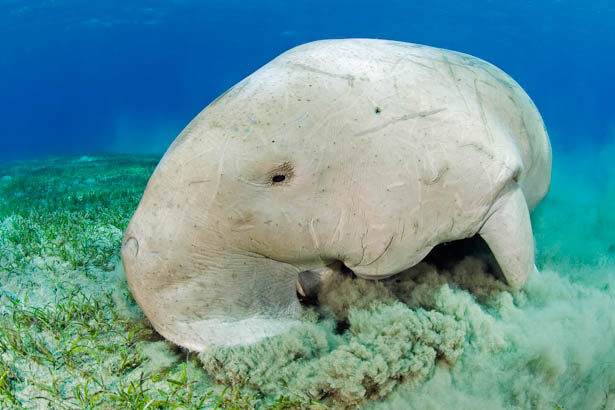
Dugong in EgyptThe Red Sea is home to over 1,000 invertebrate species, many of which can only be found here. More than 1100 species of fish have been identified as well as 200 soft and hard corals.

Whatever choice you make, you will not be disappointed. The Egypt’s Red Sea has so much to offer that you will feel you cannot get enough!
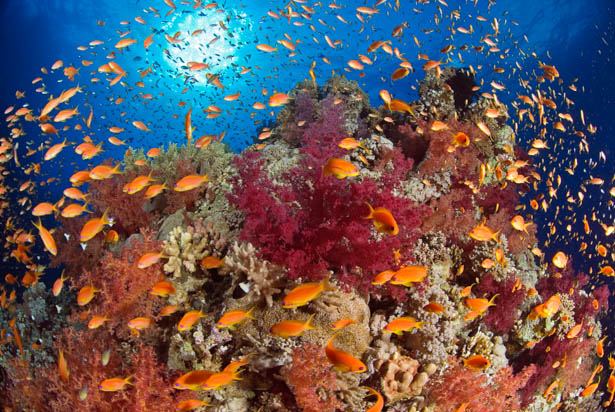
Liveaboard experiences

Away from the office. Signal occasionally. No e-mails, no phones. Yesterday you was still sitting in the office in your uncomfortably tight blouse and desperately struggled all day with colleagues. So drastic change! As far as the eye can see, sky-blue sea. White, sandy beach of the uninhabited islands. The much-talked-about coral reefs, and of course the fishes…they are amazing! The life is not much…eat, sleep, dive!

The liveaboard experience certainly spoils divers. The simplicity of life on the waves coupled with first rate diving and superior service make liveaboards a deservedly popular option. And no where will you find more choice than in the Egyptian Red Sea. From learner divers to hardened tekkies there is a route to suit in the Egyptian Red Sea.

Liveaboard experiencesLong gone are the days when divers had to make do. Today’s liveaboards are designed to make your every dream come true. Generous sized cabins, en suite bathrooms, nitrox, water maker, air con – these are just some of the standards you can expect on each and every one of our boats. Have a waterpipe after dive sunsets and your week is certain to be a success, no mater which criteria you judge it by.

Liveaboards depart from Hurghada or Marsa Alam, depending on the itinerary. The Northern Red Sea itineraries are ideal if you are new to this way of dive travel or if you want to visit the many world class wrecks the region is so famed for. The Deep South is a mixture of elegant pinnacles and delicious hard coral gardens. Sail out to any of the Marine Parks for adrenalin fueled drift diving and big fish a plenty. The last night and day of the trip can be spent ashore for a meal or a few drinks.

Red Sea scuba diving holidayYour trip can also be tailored to either include a few days or extra week at a beach resort or we can construct an itinerary to take in some of the historical sites for which Egypt is so famous. We have extensive knowledge of the interiors of the fascinating country and use only the very best hotels and tours personally checked by our staff.


Scuba Diving at Malahi reef

Along with Sha’ab Claudia, this is one of the most visited and famous reef in the Fury Shoals reef system. The main attraction here is the southern part of the reef, which is situated directly next to the boat. This is an explorer’s dream. The reef formation is like a playground of craggy corals, canyons and labyrinthine caves all waiting to be discovered.

Location: Egypt / Marsa Alam / Fury Shoals
Description: Reef with small wreck
Depths: 22 meters

Red Sea Malahi

It is also possible to explore the northern part of the reef where a beautiful hard coral garden lies. Be sure to scuba dive the west and east side close to the reef. Here there are large coral blocks with an amazing cover of hard and soft corals. Almost every kind of Red Sea fish can be found here. Even at the south end of the reef, you can find enough coral blocks here to make four scuba dives! This is one of the most prolific dive sites in the Red Sea and not to be missed.

Ship wreck of Giannis D

Location: Sha’ab Abu Nuhas
Description: Japanese freighter
Depths: 4 -24 meters
Length: 100 meters
The Sha’ab Abu Nuhas large coral reef lies in the Gubal straight. This reef is just as well known (although feared) among sailors as it is among divers. There are seven ship wrecks lying on the bottom of the sea, one of them the Ghiannis D. She hit the reef in April of 1983 and over the course of two weeks slowly split in two and sank. She is undoubtedly one of the best wreck dives in the Red Sea.
To find the Ghiannis D, leave the lagoon via the channel to the West. Proceed slowly along the Nothern reef at a distance of about 50 metres. It can be seen from the surface after about 200 metres. This is the most accessible of the other wrecks in rough seas. It takes extremely foul weather to make it out of bounds to divers equipped with a zodiac. Current is minimal.
The best part of the wreck is the stern section. It lies on the seabed at 28 metres, upright but slightly skewed to one side. She is an ideal wreck for penetration with a number of entry and exit points. Because she is skewed, the interior has impossible angles and perspectives. You find yourself swimming up a stairwell which your mind tells you is heading down. The effect is very disorientating and the conflict between balance and vision can even lead to sea sickness. The engine room is at the centre of this zone. It is large and spacious but dark. Take a torch. There is a large air pocket in the engine room. This should be avoided unless you want to be covered in the layer of oil that floats on the water’s surface.
Outside the stern section the masts, railings, wires and cables are festooned with soft corals. Some dramatic photographs can be taken of the superstructure silhouetted against the light. The bow section is also picturesque but it is a long swim away. Your time and air might be better used exploring the shallow mast and rigging of the stern, where you can also do your safety stops.

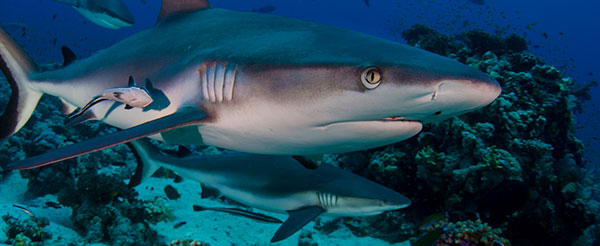
Large potato cod often hang out to the North. Free swimming morays, snapperfish, eagle rays, mackerels, groupers and sharks can also be seen.

The Sha’ab Abu Nuhas large coral reef lies in the Gubal straight. This reef is just as well known (although feared) among sailors as it is among scuba divers. There are seven ship wrecks lying on the bottom of the sea, one of them the Ghiannis D. She hit the reef in April of 1983 and over the course of two weeks slowly split in two and sank. She is undoubtedly one of the best wreck dives in the Red Sea.

Location of the wreck: Red Sea / Egypt / Sha’ab Abu Nuhas
Description: Japanese freighter
Depths: 4 -24 meters
Length: 100 meters

The ship wreck of Giannis D

To find the Ghiannis D, leave the lagoon via the channel to the West. Proceed slowly along the Nothern reef at a distance of about 50 metres. It can be seen from the surface after about 200 metres. This is the most accessible of the other wrecks in rough seas. It takes extremely foul weather to make it out of bounds to divers equipped with a zodiac. Current is minimal.

The best part of the wreck is the stern section. It lies on the seabed at 28 metres, upright but slightly skewed to one side. She is an ideal wreck for penetration with a number of entry and exit points. Because she is skewed, the interior has impossible angles and perspectives. You find yourself swimming up a stairwell which your mind tells you is heading down.

The effect is very disorientating and the conflict between balance and vision can even lead to sea sickness. The engine room is at the centre of this zone. It is large and spacious but dark. Take a torch. There is a large air pocket in the engine room. This should be avoided unless you want to be covered in the layer of oil that floats on the water’s surface.

Outside the stern section the masts, railings, wires and cables are festooned with soft corals. Some dramatic photographs can be taken of the superstructure silhouetted against the light. The bow section is also picturesque but it is a long swim away. Your time and air might be better used exploring the shallow mast and rigging of the stern, where you can also do your safety stops.

Large potato cod often hang out to the North. Free swimming morays, snapperfish, eagle rays, mackerels, groupers and sharks can also be seen during scuba diving.